India is a land of many flavors and cultures, and our food changes completely as we travel across states. This is why the comparison of North vs south indian food always excites people. Some enjoy rich gravies and tandoor flavours, while others love light, crispy, and comforting dishes like dosa, idli, and sambhar. Both cuisines have their charm, their loyal followers, and their own place in Indian hearts. However, when we examine the business side, particularly for café and franchise opportunities, the story begins to shift in interesting ways.
At Dakshineswaram Kafe, we celebrate the beauty of South Indian cuisine with a focus on comfort, authenticity, and a homely atmosphere. Spicy, crispy, fluffy, and delicious, our dishes bring warmth and tradition to every plate. Whether someone enjoys filter kaapi in the morning or a wholesome meal at night, our café feels gentle and inviting. This is why many new investors are exploring the idea of bringing these flavors to their city through our franchise model.
North Indian vs South Indian Food: What Is The Real Difference
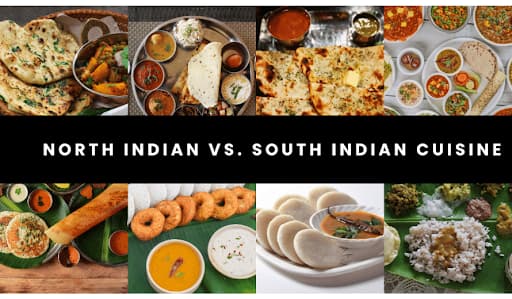
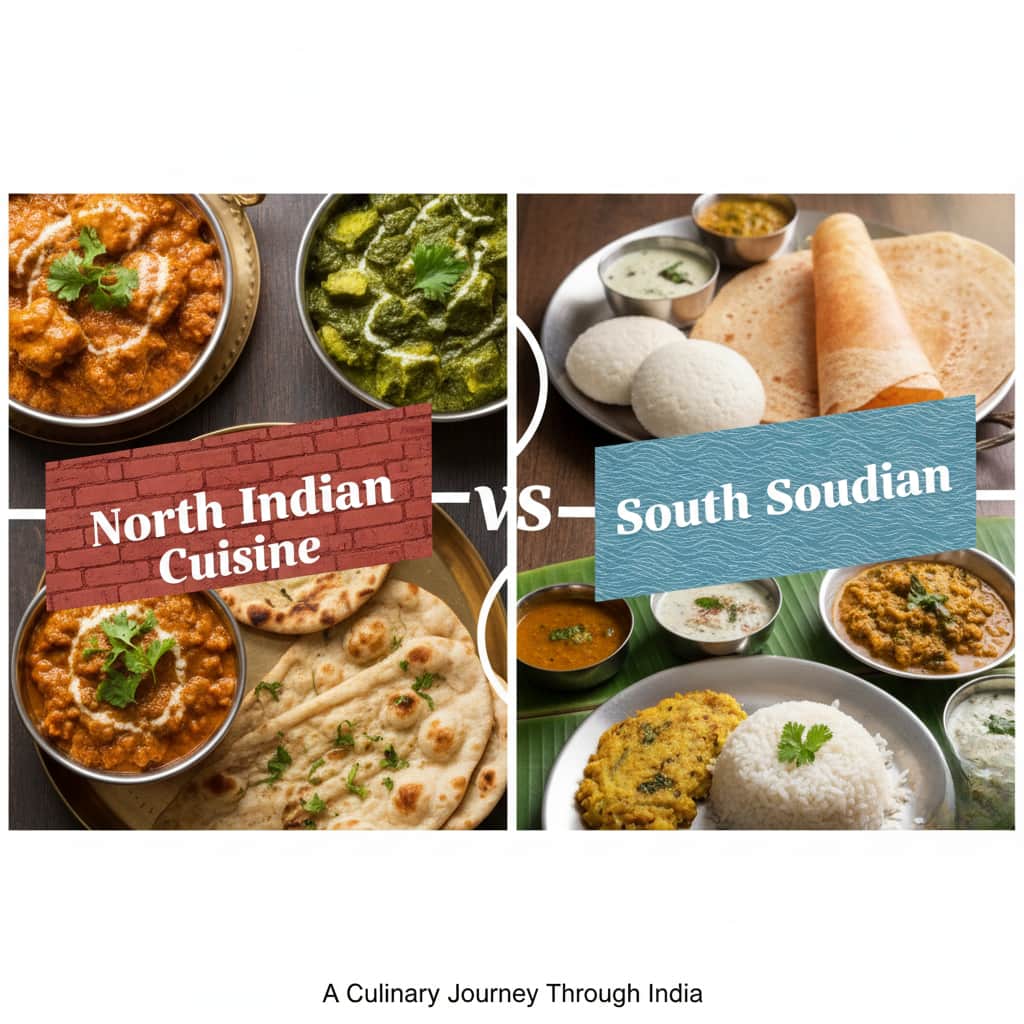
The difference between North Indian and South Indian food comes from geography, climate, produce, and culture. North Indian food is known for rich gravies, creamy textures, paneer dishes, and bold flavors. Popular dishes like dal makhani, butter chicken, naan, and chole bhature are filling, warm, and often heavy. Wheat plays a central role in daily meals, and tandoor cooking adds that smoky taste people love.
South Indian food focuses on balance and freshness. Flavors come from curry leaves, mustard seeds, coconut, tamarind, and ghee. Dishes like dosa, idli, vada, sambhar, and rasam are comforting, flavorful, and easier to digest. Rice plays a bigger role, and most items are fermented, which supports good health and improves taste. These dishes are natural, clean, and suitable for daily eating without feeling too heavy.
This difference becomes clearer in daily meals. In many homes, North Indian plates include dal roti, rajma chawal, and simple sabzis. South Indian homes enjoy idlis, sambhar, lemon rice, curd rice, dosa, and rasam rice. Both are full of flavor, but South Indian meals feel lighter and more suitable for regular consumption. This is one reason why people searching for North and South Indian food often end up choosing South Indian menus for their daily routine.
Why South Indian Food Is Winning Hearts Across India
South Indian food is becoming more popular because it fits modern lifestyle needs. People want food that feels fresh, tasty and not too heavy. Dishes like dosa, idli, upma and pongal suit office workers, students, families and even elderly people. These dishes are simple to digest and offer steady energy throughout the day.
Another reason for its rising popularity is the all-day appeal. South Indian dishes work for breakfast, lunch, snacks and dinner, which is a big advantage. A dosa can be a complete meal or a light bite. Idlis are soft and safe for children, and sambhar is both nourishing and flavourful. Many people trust South Indian food because it is mostly vegetarian-friendly, clean and soulful.
This trend also connects well with the growing love for regional and homely food. People are moving away from heavy fast food and choosing something that tastes closer to home. When they compare south indian vs north indian food, they often feel South Indian flavours are easier to enjoy every day without guilt or discomfort.
North Indian vs South Indian Food In The Market: Which Is Better For Franchise
When we move from the taste debate to the business debate, South Indian cuisine begins to shine even more. Both cuisines have strong fan bases, but the flexibility of South Indian dishes changes the entire game for franchise owners.
North Indian food is wonderful for family dinners and special occasions, but people may not eat rich gravies multiple times in a day. South Indian dishes, on the other hand, work beautifully across the entire day. This means a South Indian café can attract customers during breakfast hours, office lunch hours, evening tea times and even night meals.
Operationally, South Indian cuisine is easier to manage. With a standardised batter, sambhar and chutney base, you can maintain the same taste every day. Staff training becomes simpler, and the kitchen workflow becomes smoother. North Indian food often requires specialised skills for gravy preparation, tandoor handling and complex recipes. This difference makes South Indian cafés easier to scale and operate.
Many investors also prefer South Indian outlets because they fit easily in malls, high streets, tech parks, market areas and residential neighbourhoods. They offer low waste, quick service and high customer repeat rates. When people compare north indian food vs south indian food, which is better for business, they often find South Indian cuisine more stable, predictable and profitable.
Why Dakshineswaram Kafe Is The Right South Indian Food Franchise For You
Dakshineswaram Kafe brings authentic South Indian flavours in a modern and comforting café setup. Our Thatte Idli, Ghee Roast Dosa, Filter Coffee and other signature items remind people of the warmth of traditional South Indian homes. Every café is designed to feel welcoming and simple, which helps customers relax and enjoy their meal.
Our recipes are carefully crafted to maintain consistency across outlets. We follow a smart and organised system that helps franchise owners manage daily operations smoothly. Our menu moves fast because it is familiar, tasty and suitable for all times of the day. Families, students, office workers and travellers enjoy our café without hesitation.
This combination of homely taste, modern design and structured business support makes Dakshineswaram Kafe a strong franchise choice. Investors can enjoy a stable business model backed by a reliable brand story.
Dakshineswaram Kafe Franchise Process, Step By Step
- Site Selection And Setup
We guide you in choosing the right location and help you with setup. - Qualification And Interview
We understand your goals and check if we are a good fit. - Location Selection
We study footfall and competition to confirm the best spot. - Agreement Signing
You complete the franchise agreement and initial payment. - Training Program
Your team receives complete training at our central facility. - Café Setup
We support design, layout, equipment and vendor planning. - Grand Opening
We help you create buzz and launch successfully.
Why Now Is The Right Time To Open A Dakshineswaram Kafe Franchise
- Strong rise in demand for authentic regional Indian food across cities
- Growing popularity of South Indian breakfast and all-day dining
- Customers prefer clean, simple and homely food over heavy fast food
- South Indian cuisine suits health-conscious and vegetarian families
- Dakshineswaram Kafe provides full support in training, setup and branding
Final Thoughts
Both North Indian and South Indian cuisines are treasures of India. Each offers warmth, taste and culture. But when you compare North vs south indian food from a business point of view, South Indian cuisine offers more stability, simplicity and daily customer demand. Investors across India are recognising the value of opening a South Indian café in their city.
Dakshineswaram Kafe brings the richness of South Indian tradition in a modern, warm, and homely format. With strong systems, authentic recipes, and complete franchise support, you can build a stable and rewarding food business. If you want to serve real South Indian flavors and create a trusted name in your market, this is the right time to join Dakshineswaram Kafe. Let us build something tasty and successful together.
For franchise inquiries or details, contact us directly, and our team will guide you step by step.
FAQs
Is South Indian food more profitable than North Indian food for a cafe?
South Indian food usually gives better daily sales because it works for breakfast, lunch, snacks, and dinner. The ingredients are simpler and easier to standardize and reduce kitchen dependency, making it more profitable for new cafe owners.
Can I open a South Indian food franchise in a North Indian city
Yes, South Indian dishes are loved across India today. Cities in the North have a strong demand for idli, dosa, and filter coffee because these items are light, affordable, familiar, and suitable for all age groups.
What makes South Indian cuisine easier to run as a franchise
The menu needs fewer core ingredients like batter, sambhar, and chutney. Staff training becomes simpler, operations stay consistent, and wastage stays low. This makes daily management smoother compared to large North Indian gravy-based menus.
Do I need hotel industry experience to start a Dakshineswaram Kafe franchise?
No, our training program covers everything from cooking processes to service and operations. Even first-time business owners can run the outlet confidently with our guidance, manuals, systems, and ongoing support from the central team.
How much space is needed to open a Dakshineswaram Kafe outlet
Most outlets work well with a compact, efficient layout. Space between 300 and 800 square feet is usually enough, depending on the location type, seating plan, and expected customer volume in the area.
Is the menu fully vegetarian and family-friendly?
Yes, our menu is completely vegetarian and suitable for all age groups. The dishes are light, wholesome, and comforting, making them perfect for families, kids, office goers, and health-conscious customers who prefer clean eating.
What support does Dakshineswaram Kafe provide after opening
You receive continuous help in operations, quality control, marketing, and supply chain guidance. Our team supports you during expansion, promotions, and day-to-day challenges so your outlet runs smoothly and grows steadily.